Transforming Modern Icons
May 5, 2026
Across global markets, Jahn continues to extend the life and relevance of iconic structures through strategic repositioning and renovations. From the transformation of the Charlemagne Building in Brussels back in the 90s, to the reimagined lobby experience at Messeturm in Frankfurt in the 2020s, each intervention, whether small or large, enhances performance, user experience, and long-term value.
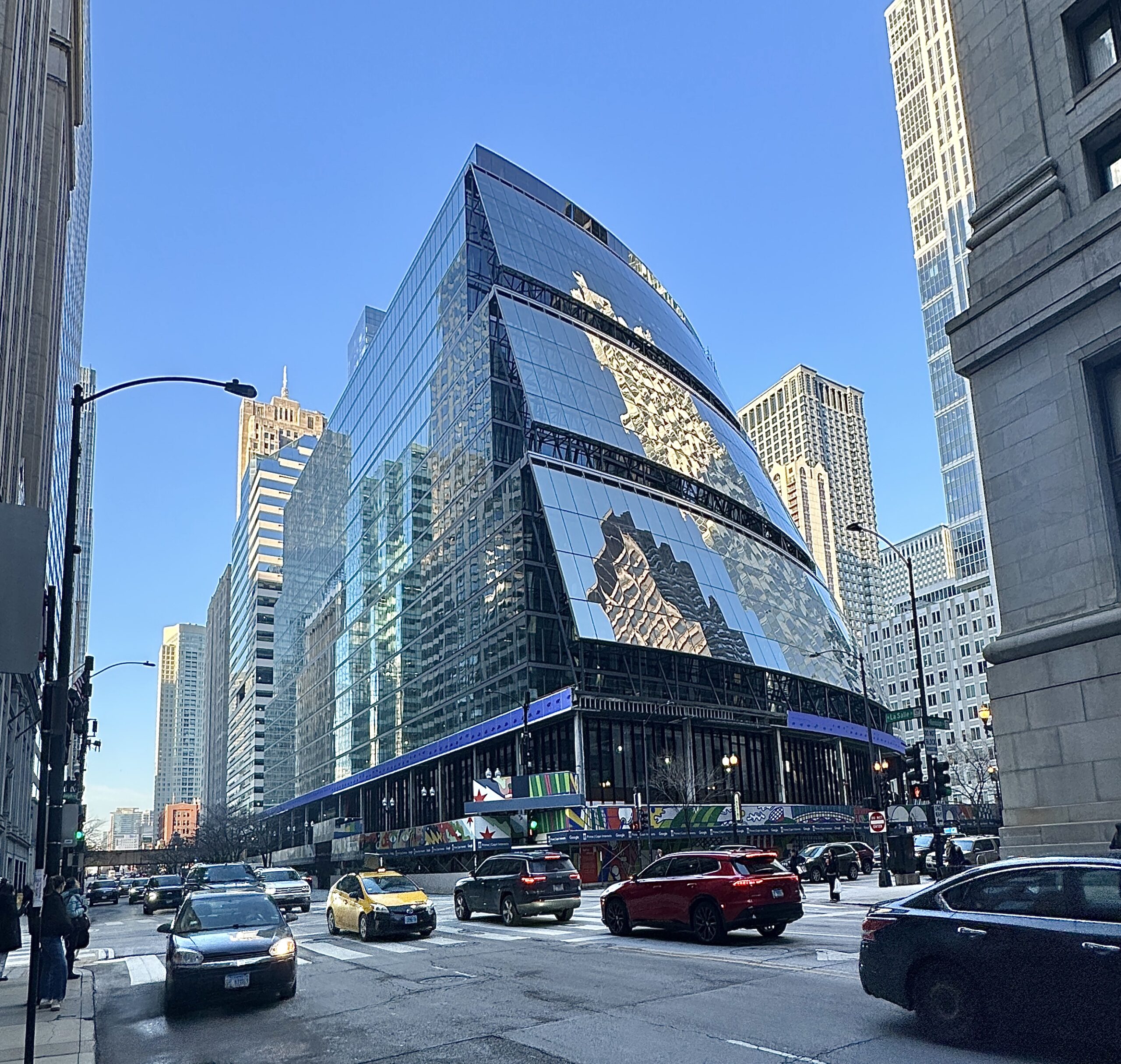
In Berlin, the adaptive reuse of Sony Center Building B2 converts a former IMAX theater into vibrant office and retail space, while in Chicago, the lobby renovation at 120 North LaSalle refreshes a prominent workplace destination, elevating arrival, circulation, and tenant experience. The ongoing repositioning of the Thompson Center reconsiders one of the city’s most recognizable civic landmarks for a new era.
Together, these projects reflect our commitment to sustainable reinvention, leveraging renewed design ideas to unlock the potential within existing buildings and shape their next chapter.
European Union Headquarters 1967
Renovation 1998
The renovation of the European Union Headquarters, also known as the Charlemagne Building, represents a decisive transformation of a mid-century administrative structure into a contemporary institutional workplace aligned with the evolving identity of the European Union. Originally completed in 1967 and designed by Jacques Cuisinier, the building embodied a restrained International Style approach, with a repetitive concrete façade, horizontal banding, and a rational, office-driven plan typical of postwar European government complexes.
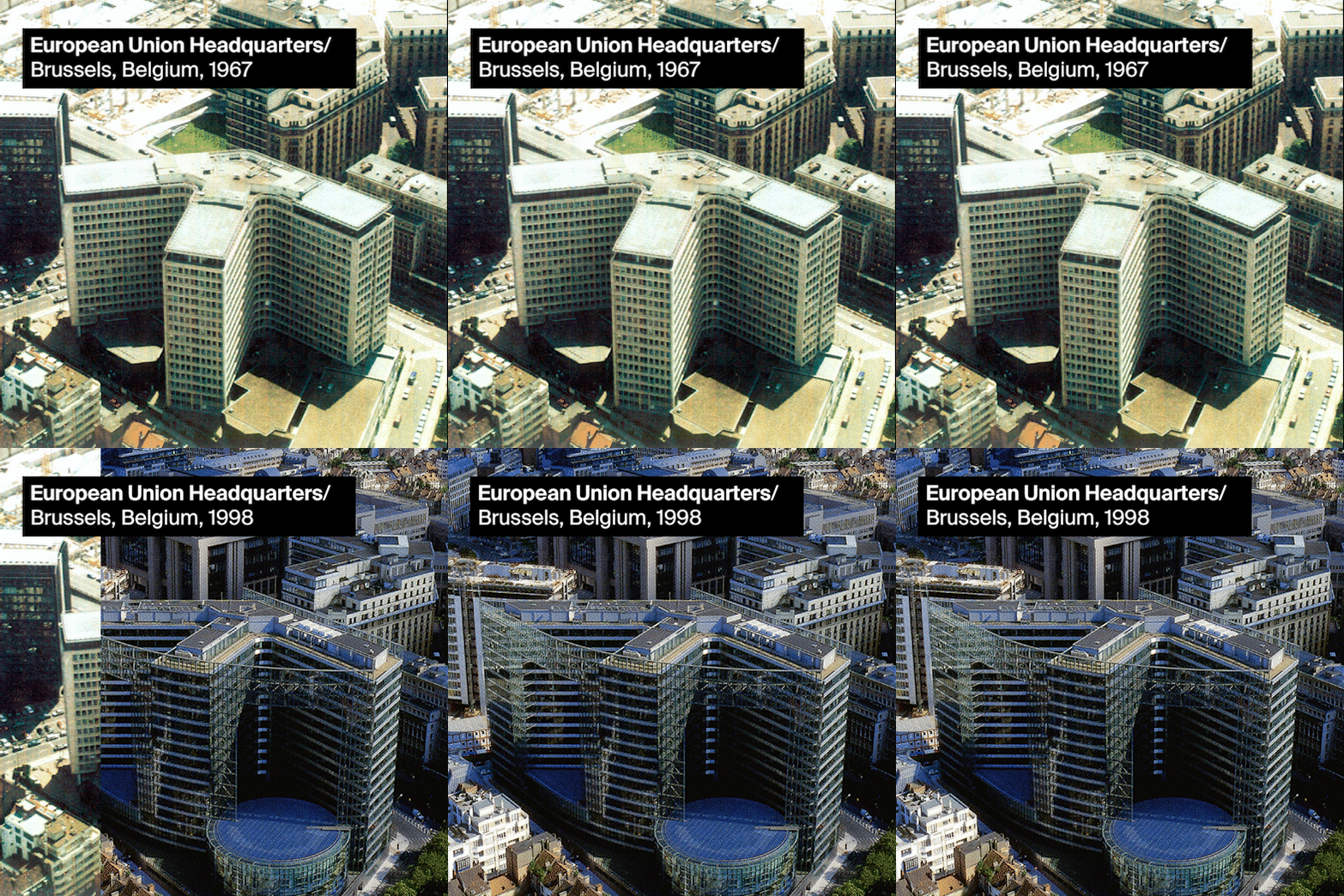
Over time, it no longer met the functional, environmental, or symbolic expectations of the European Commission. Jahn’s intervention retained the structural frame while fundamentally rethinking the building’s envelope and internal organization, using architecture as a vehicle to reposition both performance and perception.
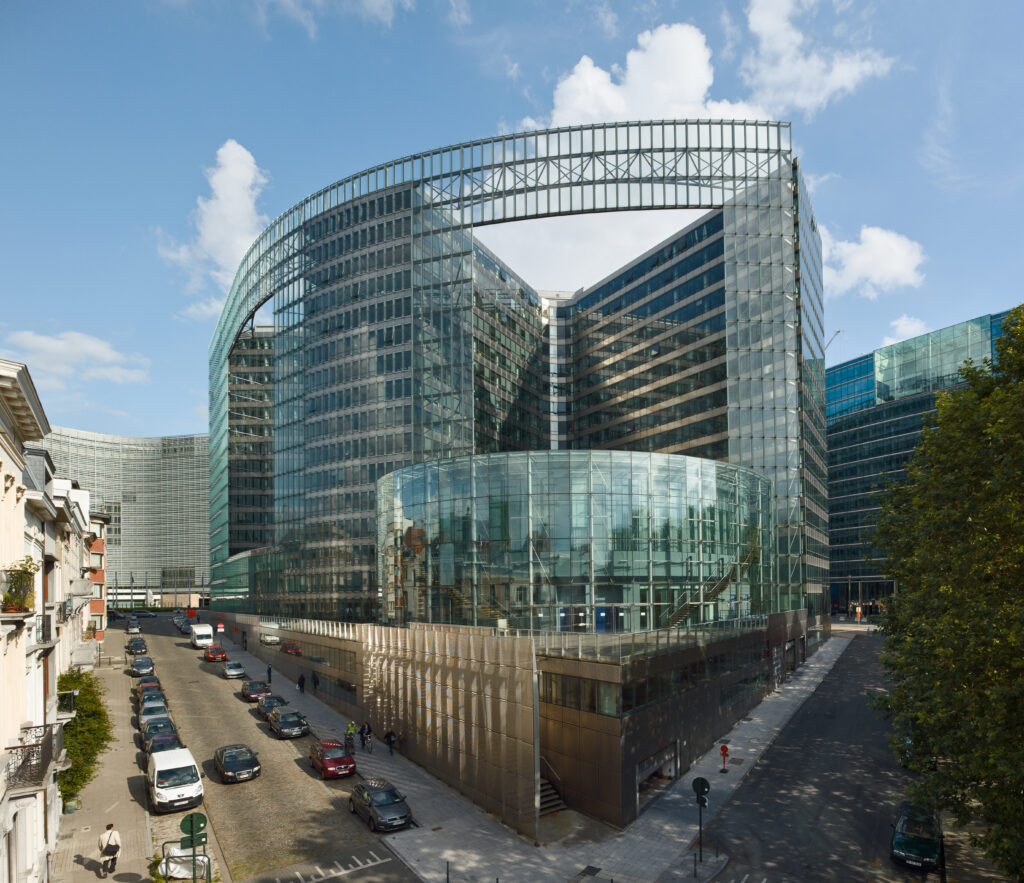
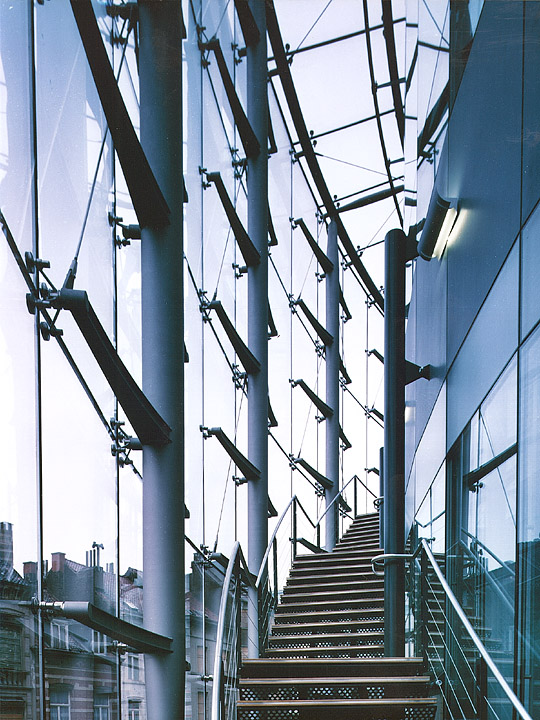
Central to the project was the replacement of the original opaque façade with a high-performance glass curtain wall, dramatically increasing daylight penetration and establishing a new visual transparency. This shift was not merely technical but also ideological, projecting openness, accessibility, and modern governance at the heart of Brussels’ European Quarter.
Inside, floor plates were reconfigured to support greater flexibility, efficiency, and collaboration, aligning the workplace with contemporary standards while improving spatial clarity and circulation. Completed in the late 1990s, the project stands as an early and influential example of strategic repositioning through façade transformation and adaptive reuse. Rather than demolish and rebuild, Jahn leveraged the existing structure to extend the building’s lifespan, enhance its environmental performance, and redefine its civic presence, demonstrating a rigorous, future-oriented approach to reinvention that continues to inform the firm’s work today.
Thompson Center 1985
Repositioning 2026
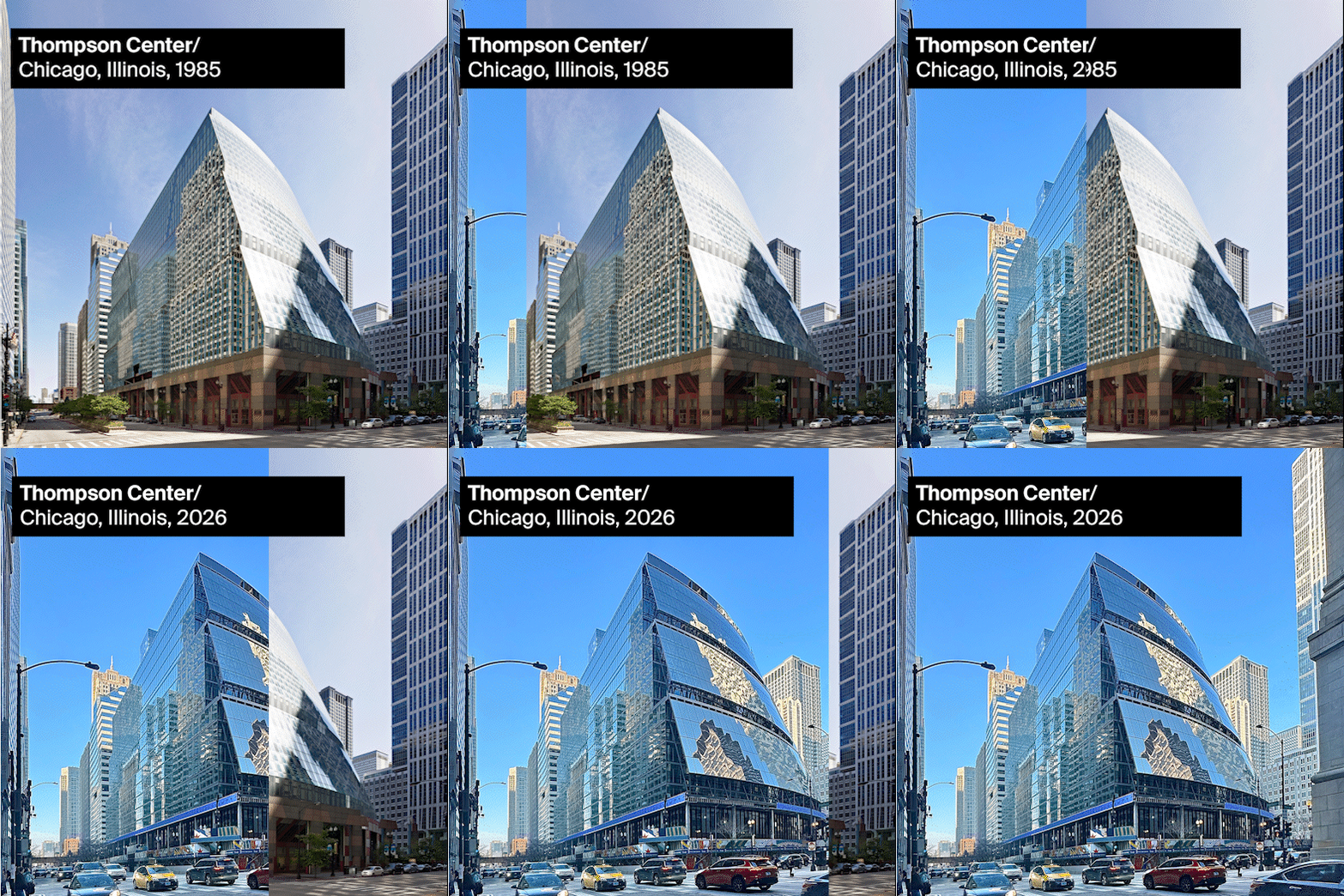
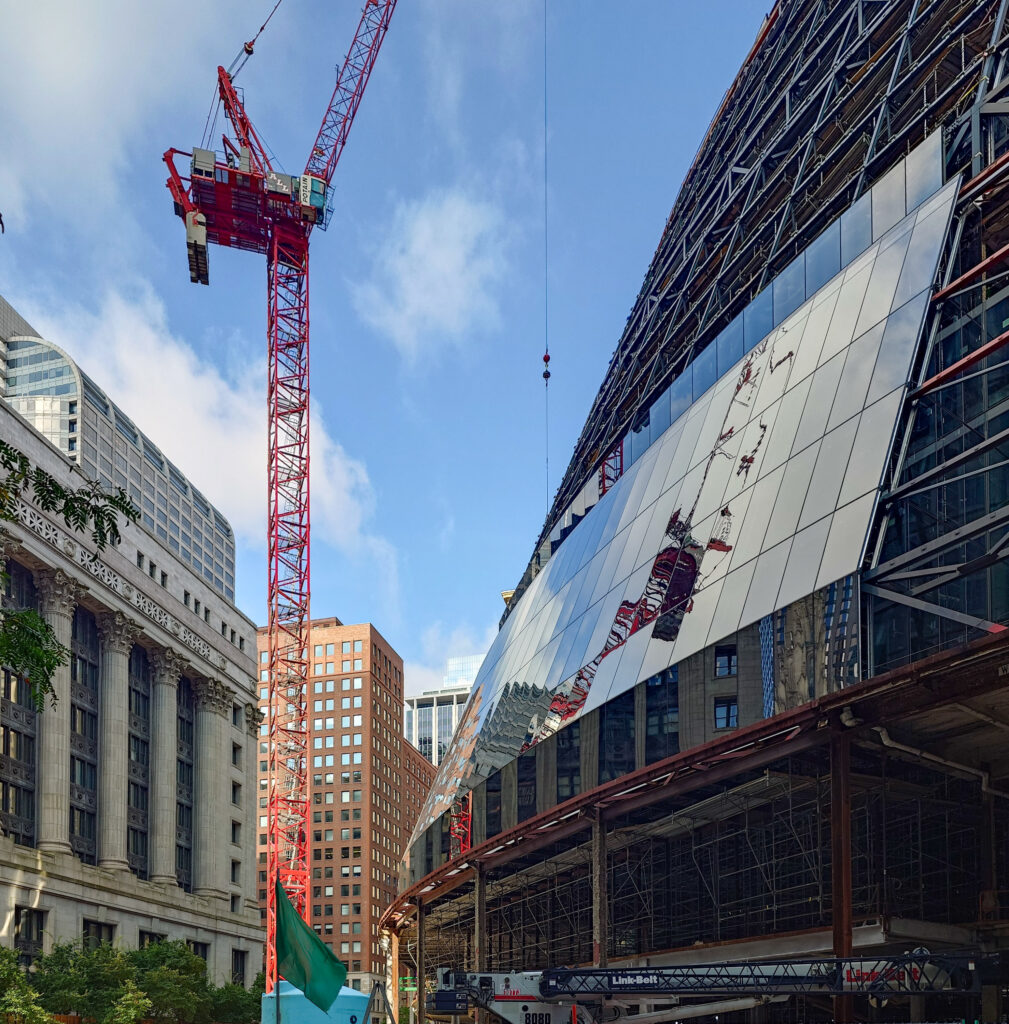
The repositioning of the Thompson Center addresses the future of one of Chicago’s most iconic civic buildings. Originally completed in 1985, the Thompson Center is defined by its expressive geometry and monumental atrium, conceived as an open and accessible seat of state government. Over time, however, the building faced challenges related to performance, maintenance, and evolving programmatic needs.
Jahn’s approach to repositioning focuses on preserving the building’s defining architectural elements while upgrading its environmental performance, systems, and usability. Strategies include improving the building envelope, and enhancing energy efficiency. The goal is to retain the civic presence of the building while enabling a broader range of occupancy and long-term viability.
Messeturm 1991
Lobby Renovation 2021
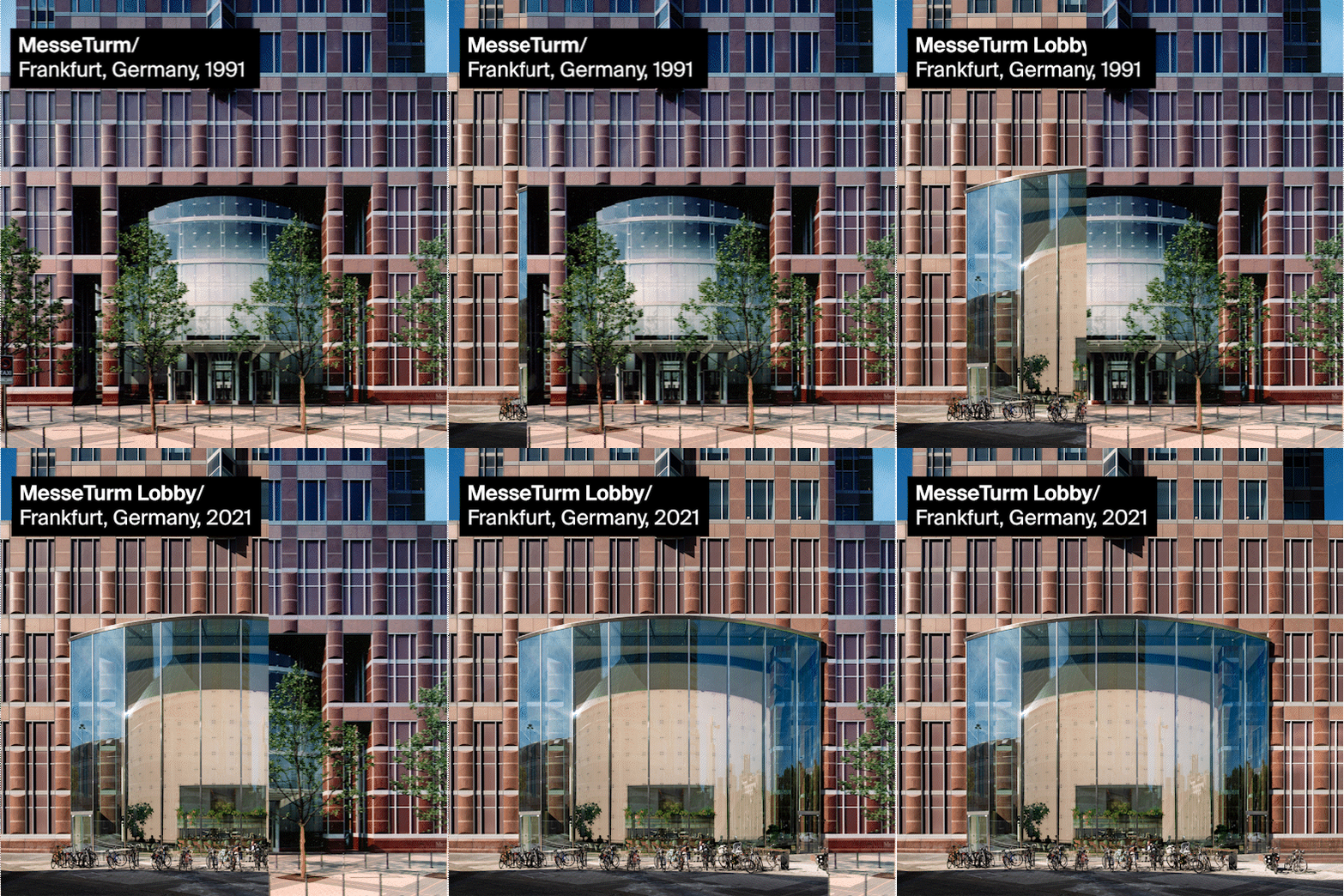
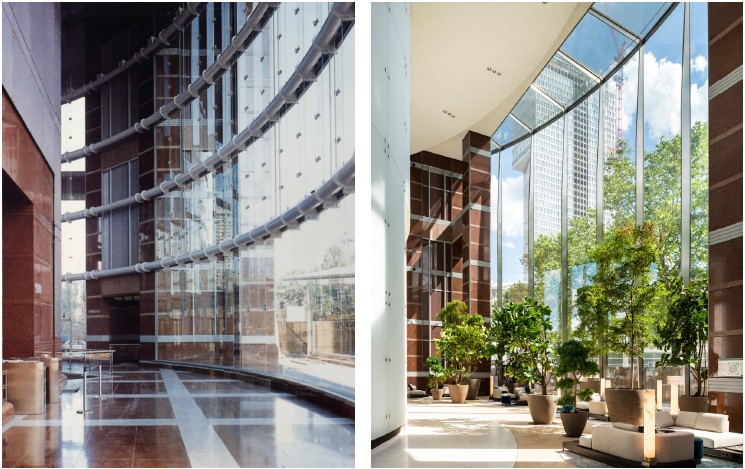
The lobby renovation of the Messeturm repositions one of Frankfurt’s most recognizable commercial towers for a contemporary tenant and visitor experience. Originally completed in 1990, the tower’s postmodern expression and monumental entry sequence reflected the ambitions of its time, but the lobby environment had become dated in both performance and spatial clarity. Jahn’s intervention focuses on recalibrating the ground plane as a welcoming threshold within the dense urban fabric of the Messe district.
The redesign introduces a more open and fluid spatial organization, improving circulation and visual connectivity while enhancing daylight and material quality. Updated finishes, lighting, and integrated building systems elevate the experiential quality of the space while aligning with current expectations for Class A office environments. The lobby is reconceived as both a point of arrival and a social condenser, supporting informal interaction and flexible use.
120 North LaSalle 1991
Lobby Renovation 2024
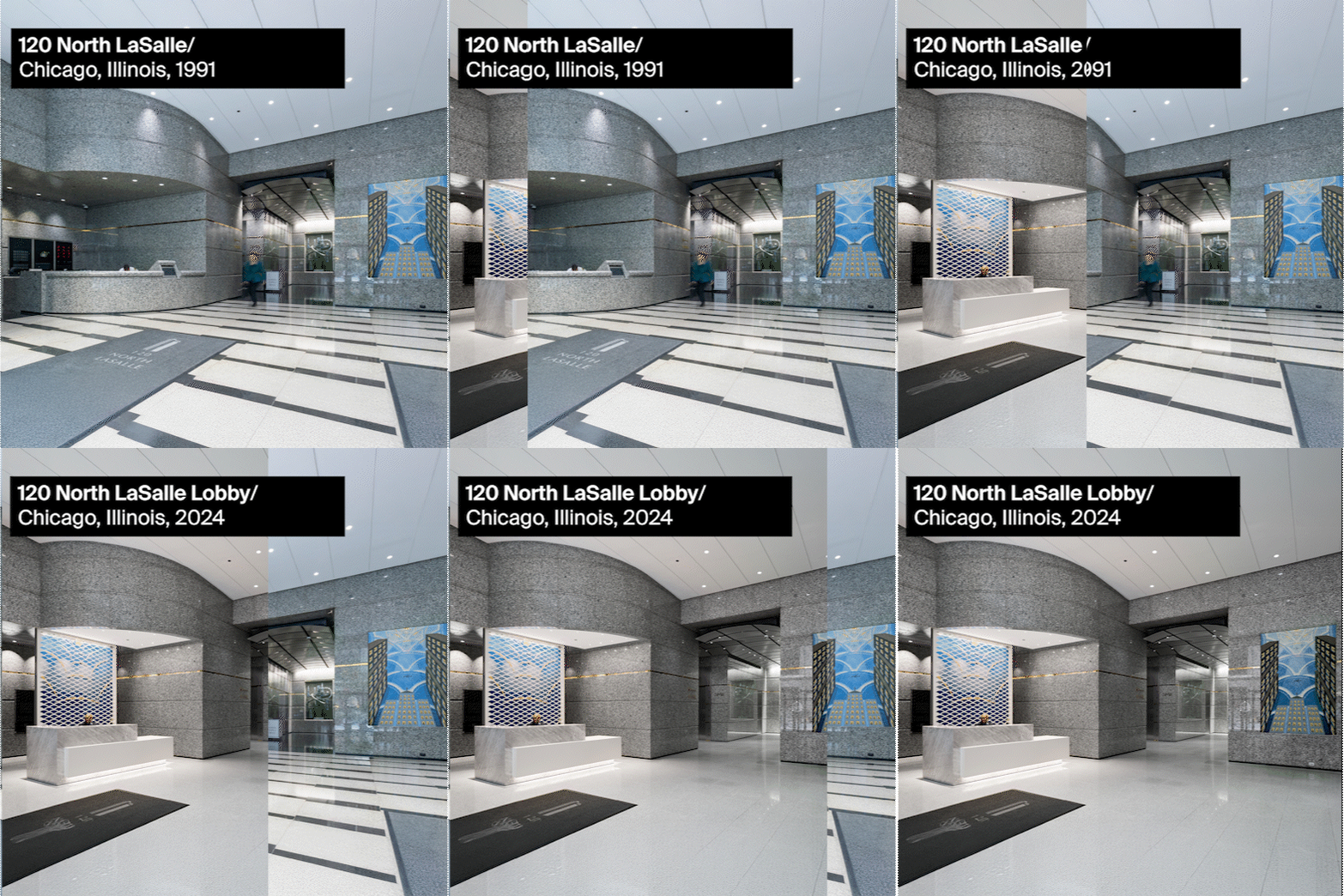
The lobby renovation at 120 North LaSalle reimagines the arrival experience within a prominent downtown office tower, aligning the building with contemporary expectations for workplace environments. Originally completed in the early 1990s, the tower’s lobby reflected a more formal and enclosed design language that no longer supported the level of openness, amenity, and flexibility sought by today’s tenants.
The renovation introduces a lighter, more transparent material palette and reorganizes the ground floor to improve circulation, visibility, and access to shared amenities.
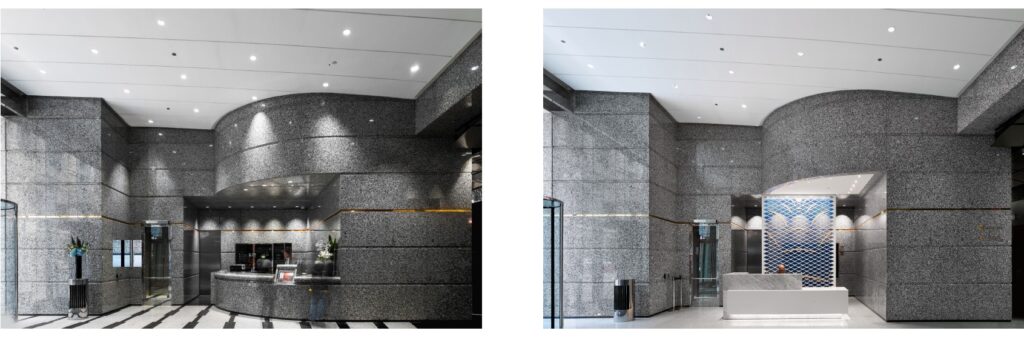
Enhanced lighting, refined detailing, and integrated technology contribute to a more dynamic and welcoming environment, while new zones for informal gathering and work extend the function of the lobby beyond a point of entry.
Das Center (formerly the Sony Center) 2000
Building B2 Repositioning 2025
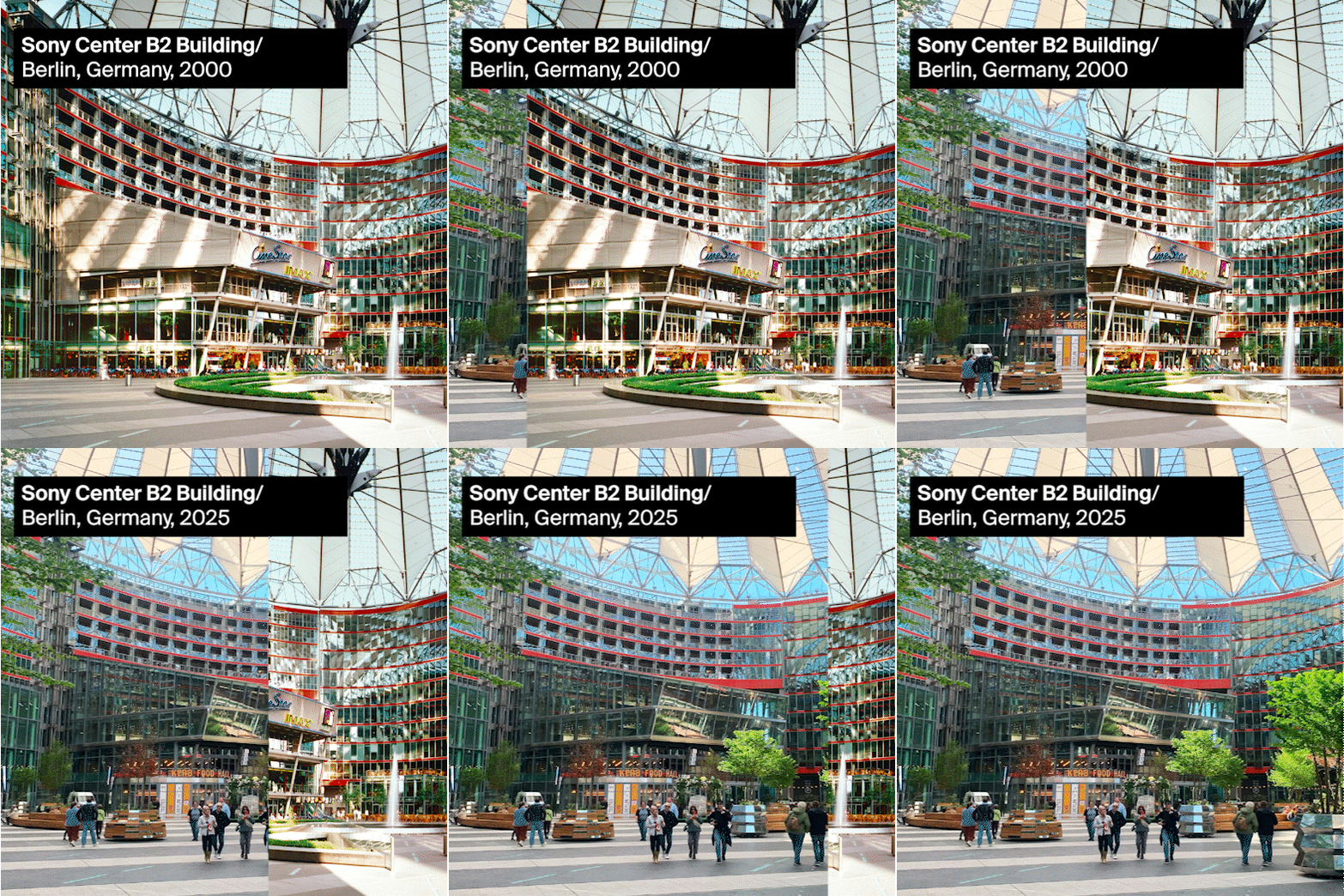
The repositioning of Building B2 at the Sony Center transforms a former IMAX theater into a flexible mix of office and retail space, responding to shifting market demands within one of Berlin’s most prominent mixed-use destinations. Originally conceived as part of the Sony Center’s entertainment program, the IMAX facility had become functionally obsolete, prompting a re-evaluation of its role within the complex.
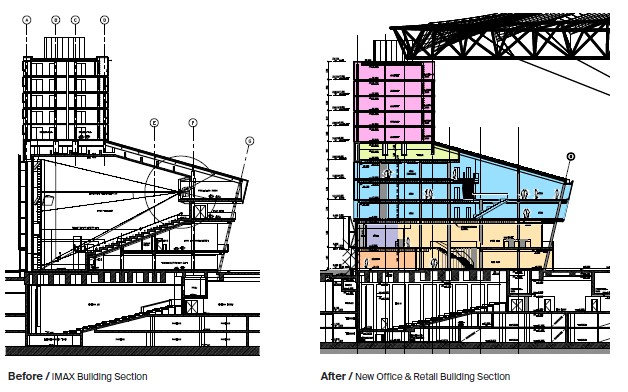
Jahn’s design retains the structural and spatial framework of the existing volume while introducing new floor plates, circulation strategies, and façade modifications to support contemporary workplace and commercial uses. The intervention carefully negotiates between the building’s original identity and its new program, integrating daylight, transparency, and urban engagement to activate the street edge and improve connectivity within the broader development.
The project exemplifies adaptive reuse at a strategic scale, converting a single-purpose venue into a multi-tenant, revenue-generating asset. It reinforces the long-term resilience of the Sony Center by aligning its program with evolving patterns of work and retail while maintaining the integrity of the original master plan.